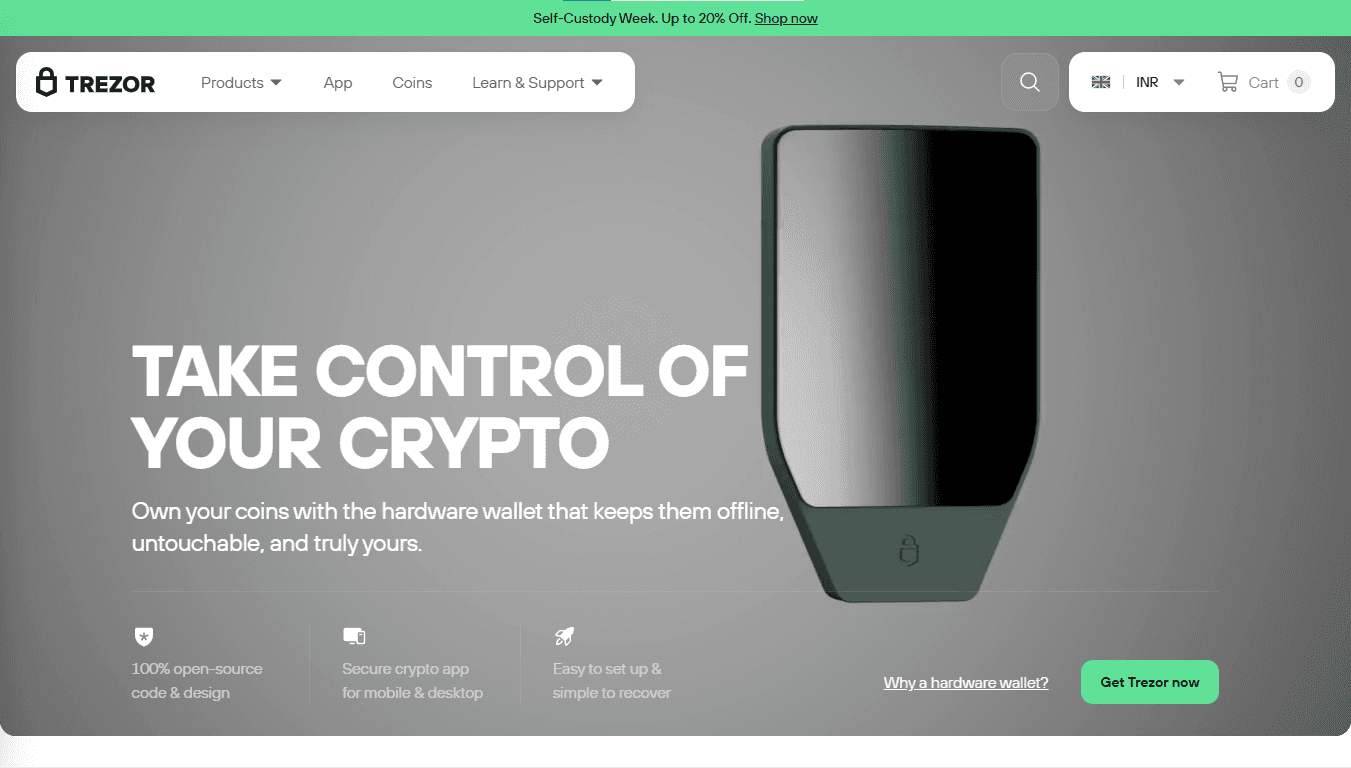
Trezor.io/start – Understanding the Trezor Wallet Setup Process
A hardware wallet provides an approach to cryptocurrency management where important security operations can be handled through a dedicated physical device. For people beginning with a Trezor wallet, Trezor.io/start is a familiar starting-point keyword for learning about device setup and wallet preparation.
Understanding each stage can make the process easier and help users avoid common security mistakes.
Begin With the Official Setup Process
The first step is to identify the correct official Trezor setup resources. Website addresses should always be checked carefully because cryptocurrency users are frequently targeted by phishing pages designed to resemble legitimate wallet websites.
Do not trust links received through unsolicited messages or suspicious advertisements. Manually checking the domain before continuing is a useful precaution.
Connect Your Trezor Device
Once the correct setup resource has been confirmed, connect the Trezor device to your compatible computer or supported environment. Follow the instructions presented by the official software.
The device may require firmware installation or updating during its initial configuration. Only use firmware and software supplied through legitimate Trezor channels.
Set Up Security Features
A Trezor wallet can include security features such as a device PIN and recovery backup. During setup, users should carefully follow the instructions provided by the device.
The PIN helps protect access to the physical device. It should remain private and should never be shared with another person.
Understand the Recovery Backup
The recovery phrase is one of the most important parts of a self-custody wallet. It provides a method for restoring wallet access under supported recovery circumstances.
Because of its importance, the phrase should be written down accurately and stored somewhere safe. Never send it through messaging services or email.
A legitimate support representative should not ask you to provide your complete recovery phrase.
Review Transactions on the Device
When using a hardware wallet, transaction details should be reviewed carefully before confirmation. Pay particular attention to the destination address and amount.
If something displayed on your computer differs from what appears on the hardware wallet, stop and investigate before approving the transaction.
Keep Everything Updated
Security practices do not end after the initial setup. Users should monitor official software and firmware updates and apply them when appropriate.
It is also wise to maintain basic computer security, including current operating-system updates and protection against suspicious applications.
Avoid Common Phishing Attempts
Scammers may create websites or messages using wallet-related keywords such as “Trezor Login” or “Trezor.io/start.” They may request recovery phrases, PINs, or other sensitive information.
Never provide confidential wallet credentials simply because a webpage claims to offer technical assistance.
Conclusion
Trezor.io/start represents an important starting point for users learning about Trezor wallet setup. A careful approach involves verifying the official source, securing the device, protecting recovery information, reviewing transactions, and staying alert to phishing attempts. By understanding these fundamentals, beginners can approach hardware-wallet setup with greater awareness and confidence.